

Spaces, strategies, and experiences driven by well-being
Introducción
We develop consulting and architectural design projects grounded in scientific evidence. Our goal is to create healthy and harmonious spaces by applying methodological foundations and the knowledge of neuroscience and related disciplines, which enable us to assess the emotional, cognitive, and physical impact on users, thereby enhancing their sensory and holistic experiences within the built environment.
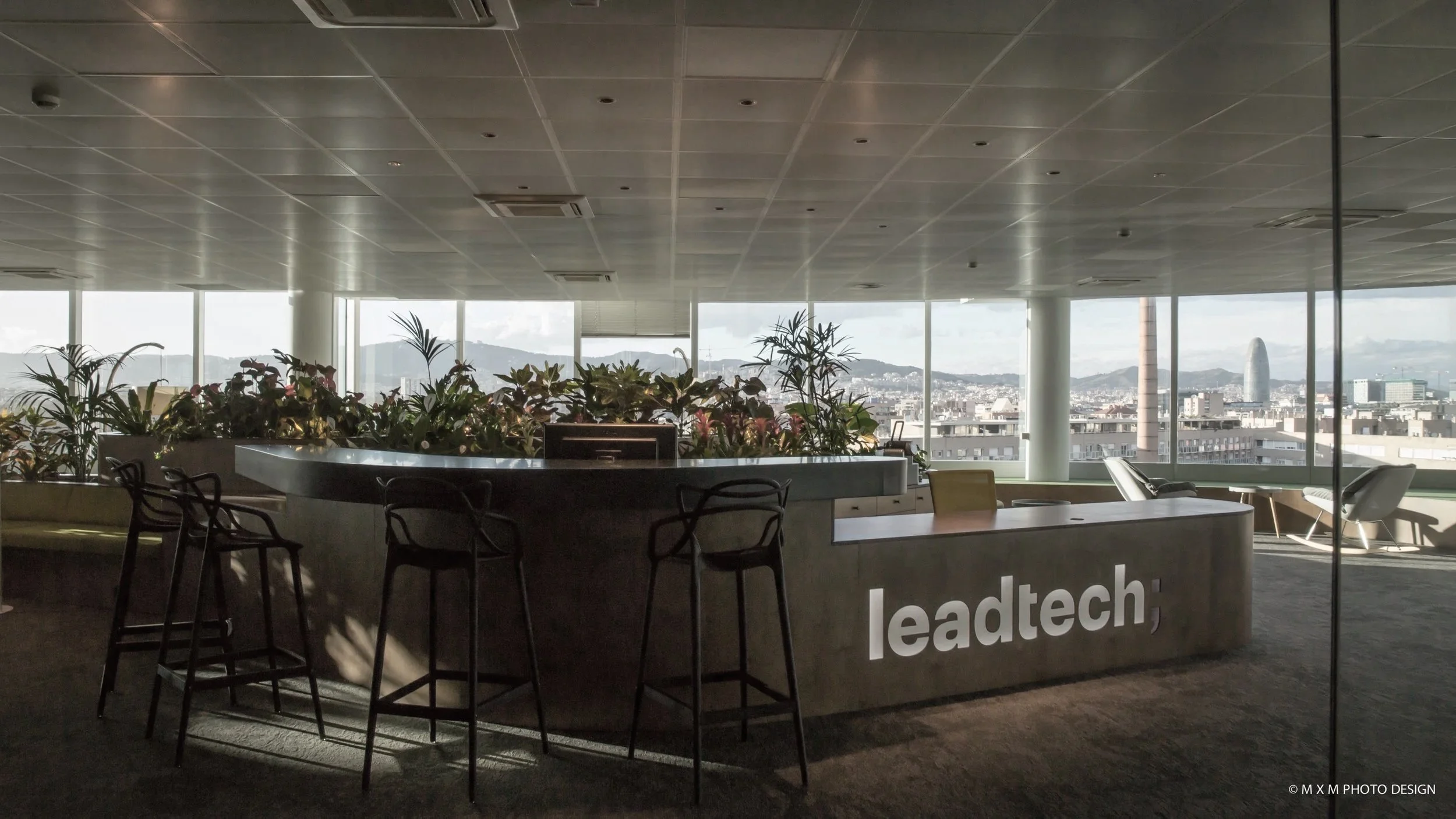
Lead Tech
-
The neuroarchitecture project for Leadtech’s offices in Barcelona integrates biophilic design to foster the team’s holistic well-being, while enhancing talent attraction and retention.
The spaces are designed to foster a sense of belonging and alignment with the corporate culture, enhancing both productivity and job satisfaction.
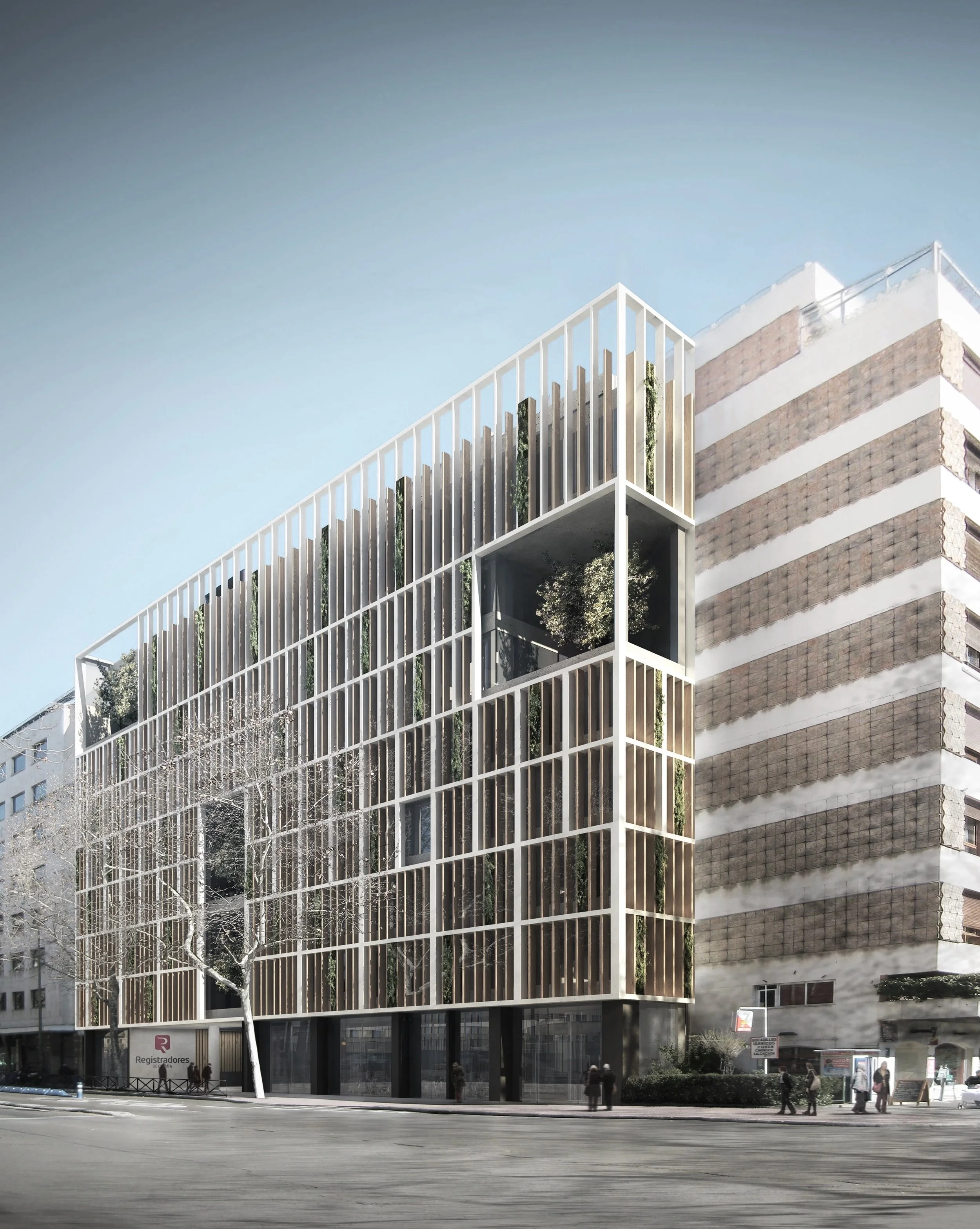
Colegio de Registradores
-
The competition entry for the College of Registrars presents an innovative proposal that not only meets the functional program, but also integrates the latest advances in neuroarchitecture to promote the holistic well-being of employees.
This design strengthens the public image of the service, fosters community pride, and reintroduces nature into the city.
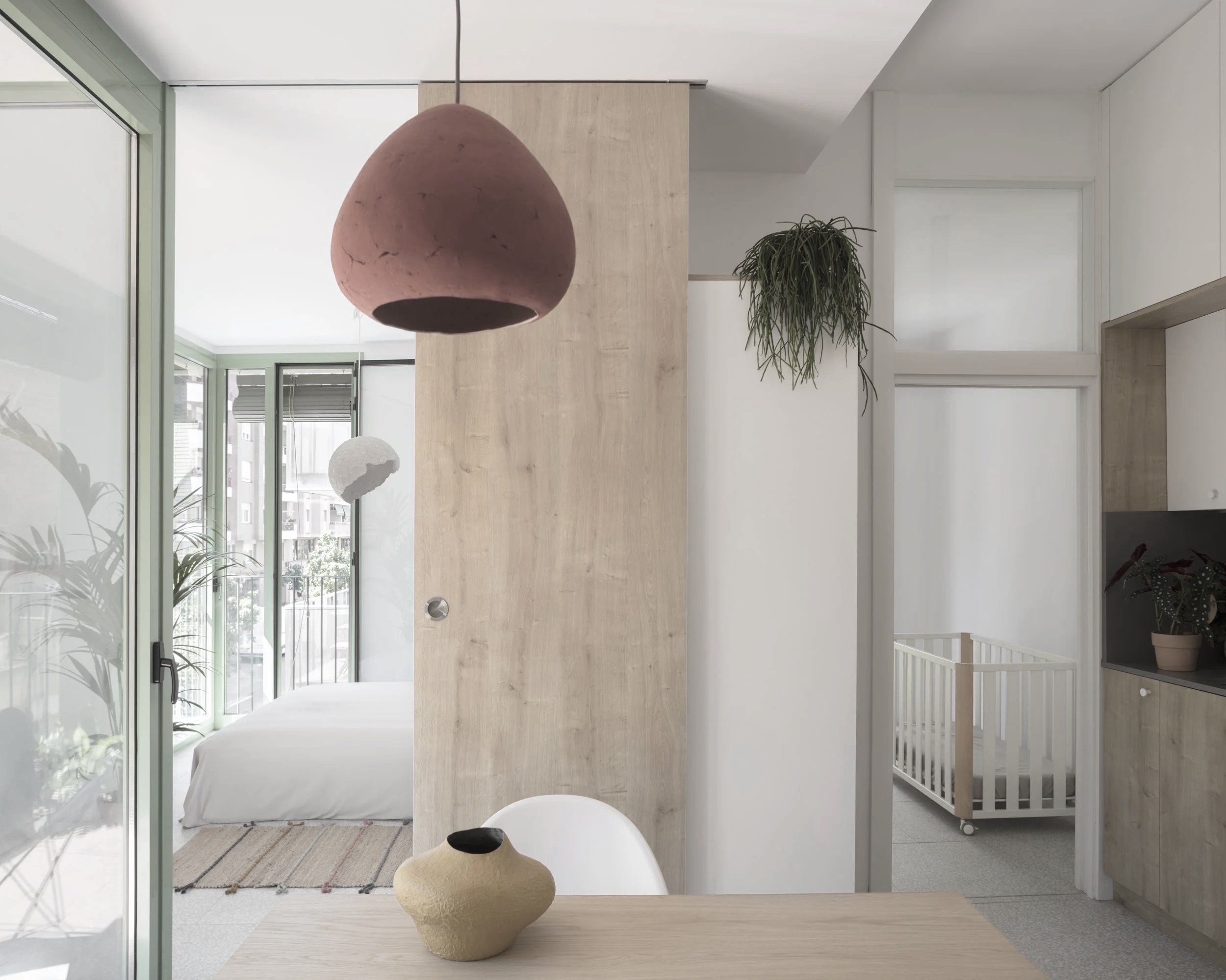
La Violeta
-
This project stands out for its innovative design, featuring seamless transitions between public and private spaces through strategic openings and intermediate areas.
With three-meter-high ceilings for greater comfort and carefully selected materials to enhance well-being, these residences offer a unique experience of quality and comfort for their inhabitants.
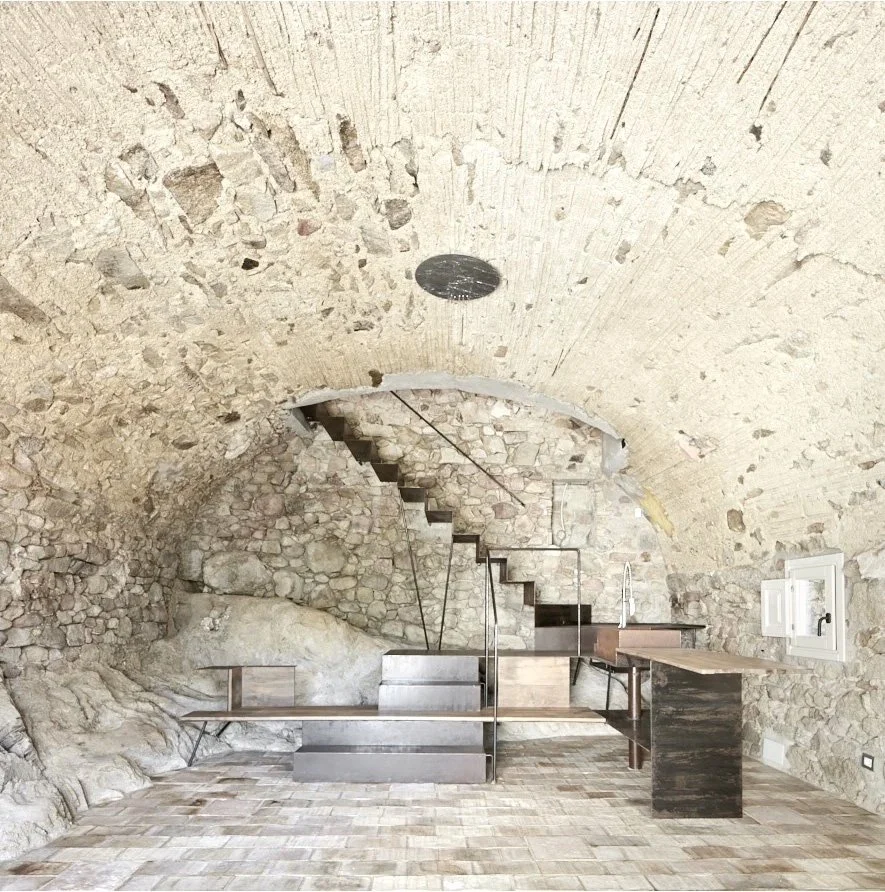
Masia Pontós
-
In the renovation of this farmhouse, the goal was to connect the client’s memories with the local culture..
A key detail lies in the doors, which reproduce a drawing made by the grandfather of a centuries-old tree pit on the family estate. The circles follow the Fibonacci sequence, creating a profound connection with both history and the surrounding environment.
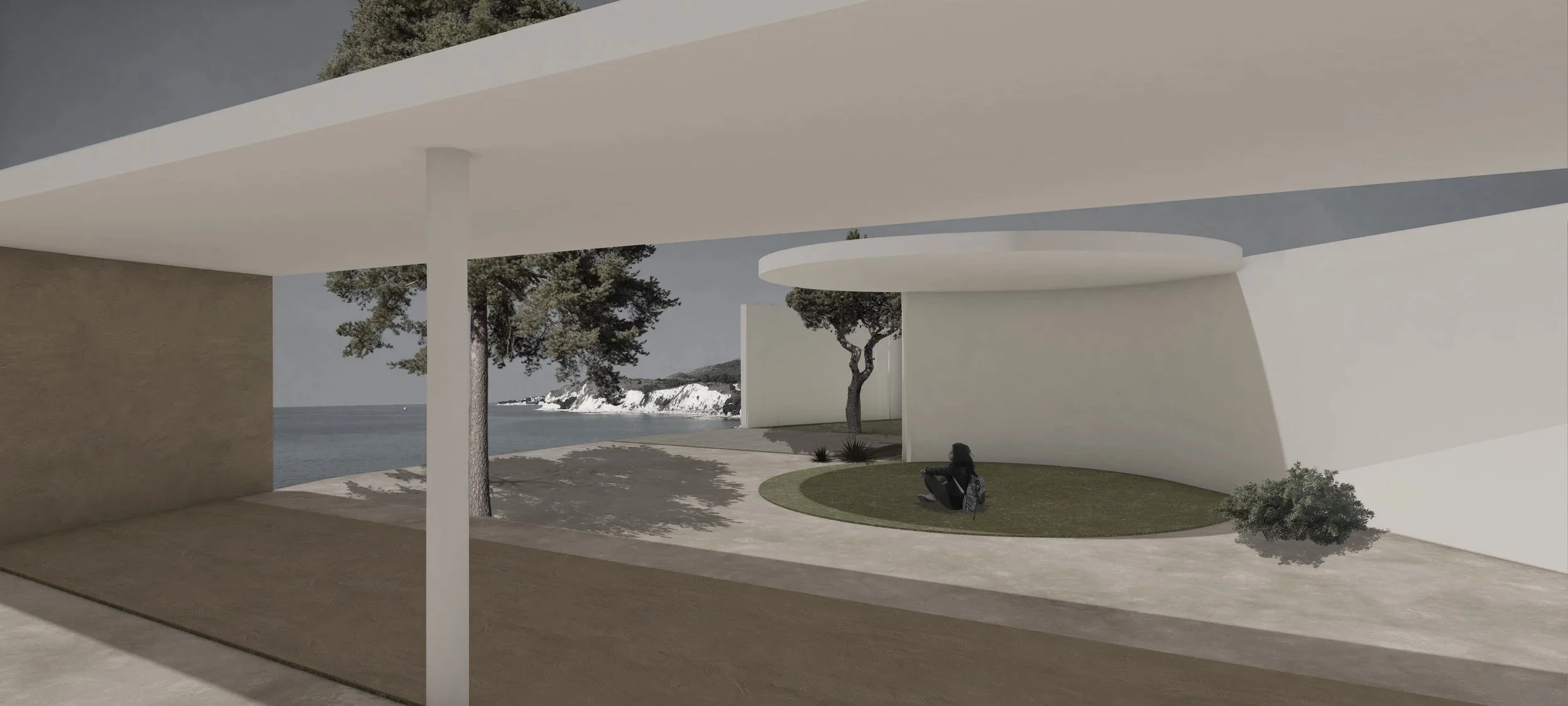
Museum of emotions
-
A conceptual design that proposes an emotional journey based on the Arousal-Valence model, navigating through sadness, confusion, joy, and calm.
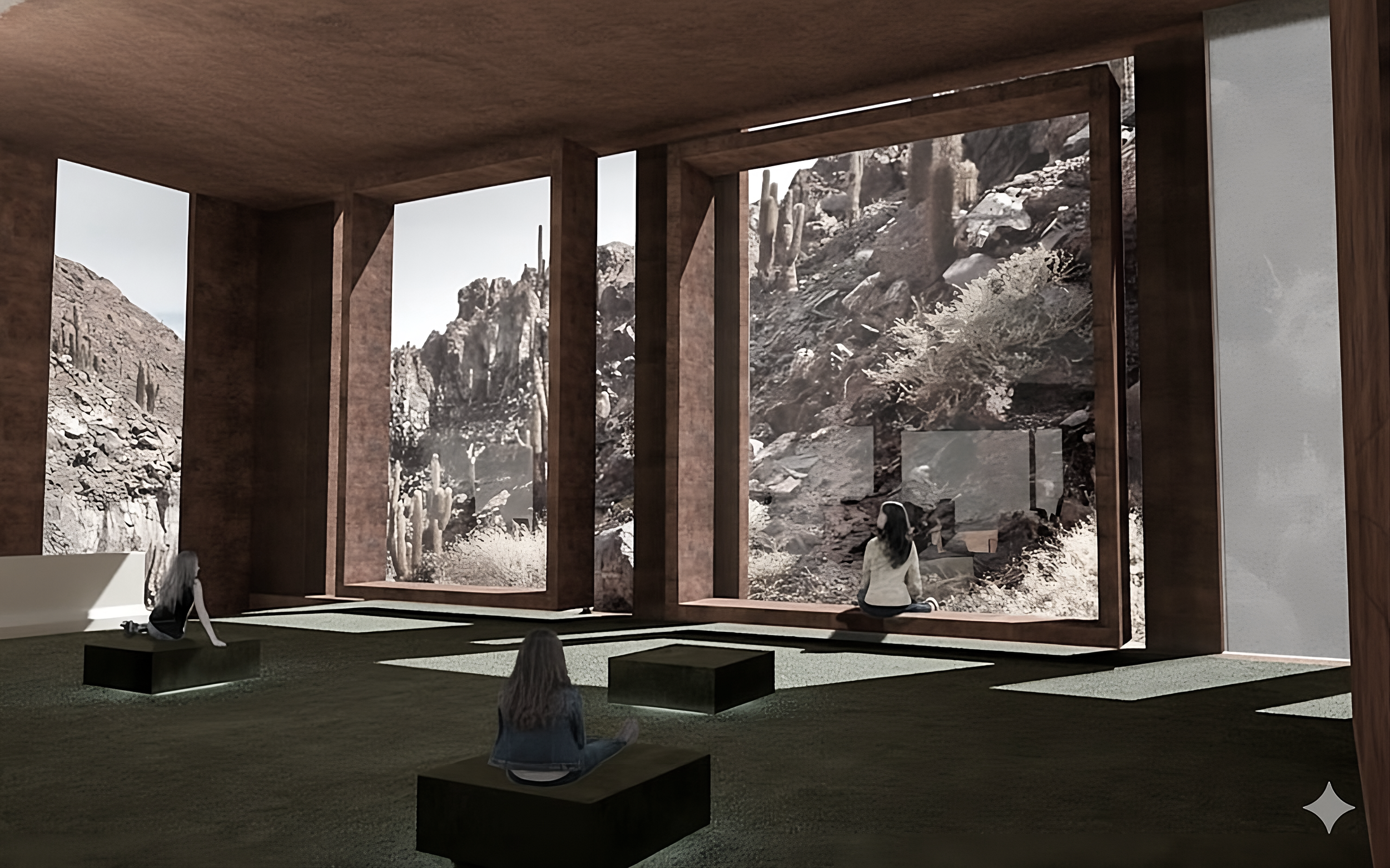
Silex
-
Conceptual design – A hospitality experience that blends metabolisms, emotions, and cognitive states.
Atacama, Chile.
Selected Work
-
Multifamily Residential Building.
Barcelona, Spain
-
Comprehensive Renovation Project.
Madrid, Spain
-
Single-Family Housing Project.
Sitges, Spain
-
Comprehensive renovation Project.
Multiple Locations, Chile
-
New Construction.
Asunción Paraguay
-
New construction.
Santiago, Chile
-
Comprehensive Renovation Project.
Barcelona, Spain
-
Comprehensive Renovation Project.
Barcelona, Spain
-
Greenwich Elementary School Project
Connecticut, USA
-
Comprehensive renovation Project.
Multiple Locations, Chile
-
Multifamily Residential Building.
Cadaqués, Spain
-
Comprehensive renovation.
Cadaqués, Spain
Our services
We analyze how the built environment can drive organizational transformation, people’s well-being, and strategic alignment. This service is structured into two complementary components:
-
We develop a conceptual framework that guides spatial decisions based on scientific evidence, user needs, and contextual characteristics. This includes:
Assessment of space performance and its influence on physical, cognitive, and emotional well-being.
Study of organizational culture to align design with the company’s values and future vision.
Identification of cultural and behavioral shifts that design can activate.
Desk research to identify evidence-based design patterns and strategies.
Development of an architectural design brief that translates findings into design principles and concrete spatial requirements.
Comprehensive design and development of the architectural and interior design project.
-
We provide a methodology to evaluate how spatial interventions contribute to individual and organizational outcomes. This includes:
Definition of relevant qualitative and quantitative indicators.
Baseline and post-occupancy measurement protocols.
Integration of subjective data (perception) and objective data (sensors, space use).
Analysis of usage patterns, satisfaction levels, and alignment with impact goals and implemented design strategies.
Strategic recommendations based on the results obtained.